
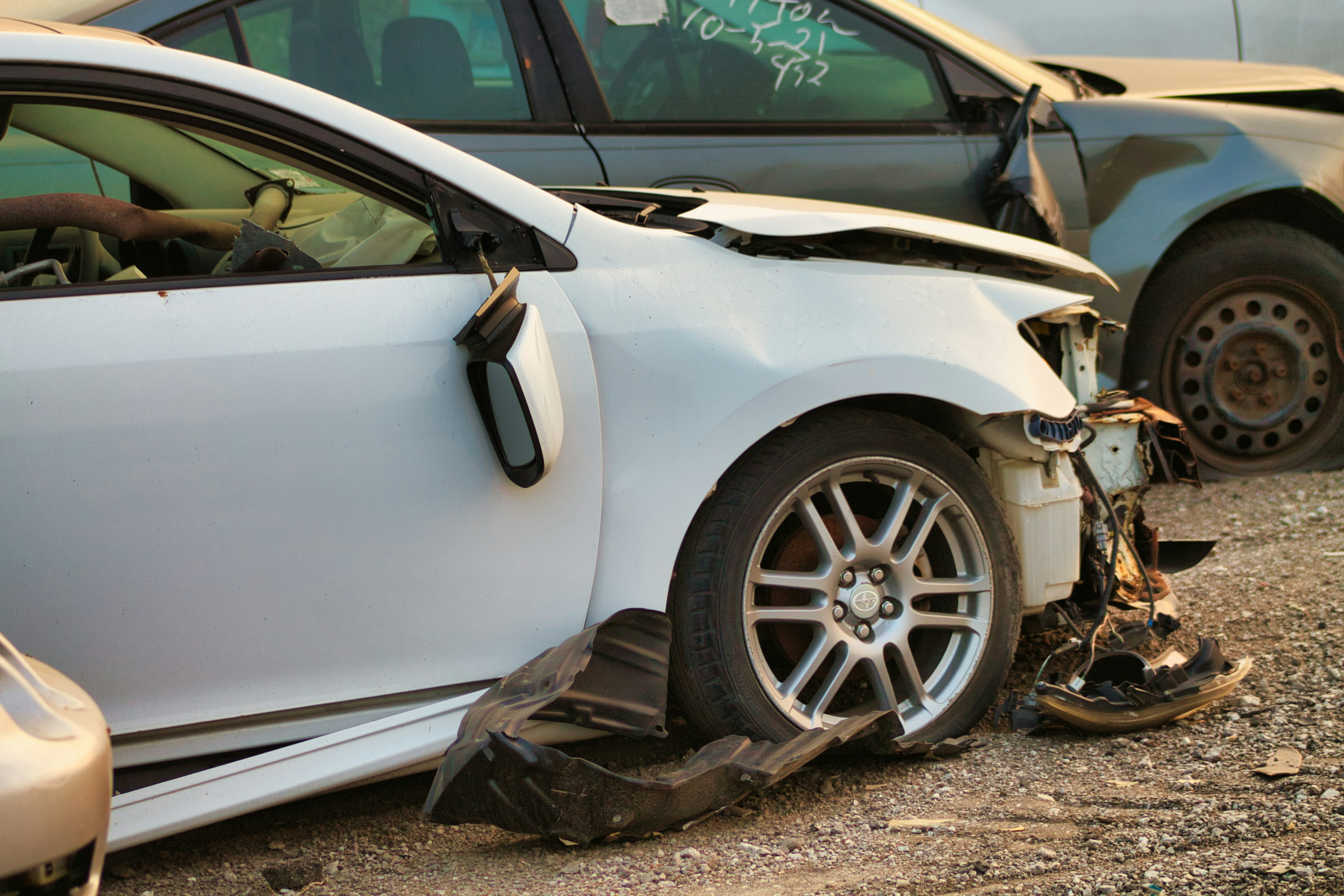

Automating Car Rental Damage Claims: The 2026 Playbook For Lean Operators
Automating car rental damage claims is quickly becoming the difference between profitable rental operators and those drowning in disputes, paperwork, and chargebacks. In 2026, customers expect fast, self-service rentals, but most rent-a-car businesses still rely on manual inspections, handwritten notes, and photos buried in someone’s phone.
That gap is where money leaks out. The good news is that AI and workflow automation can now handle most of the damage and deposit process end to end. Instead of debating every scratch, you can show time-stamped evidence, consistent pricing, and automated communication that feels professional and fair.
This article breaks down what automating car rental damage claims actually looks like in practice, how smaller operators can implement it without a full IT team, and what kind of return you can realistically expect.
Why car rental damage claims are still a mess in 2026
If you run or manage a rental operation, you already know where the pain is. Staff are rushed at peak times, so check-in photos get skipped. The damage diagram on the paper contract is incomplete or illegible. Someone forgets to upload the photos to your booking system. Weeks later, a chargeback arrives and you do not have clean evidence to defend it.
At the same time, customers are more informed and more sceptical. They film their own walkaround, compare your charges against online forums, and raise disputes with card providers at the first sign of confusion. Without an airtight process, your team spends hours every week digging through folders, emailing photos, and arguing over who is right.
The result is predictable. Genuine damage goes uncharged because you cannot prove it. Disputed charges end up written off because fighting them costs more than they are worth. Staff morale drops because they are stuck in stressful conversations instead of serving new customers. And your reputation takes a hit from a handful of vocal, unhappy renters.
Automating car rental damage claims is about standardising every step, so the outcome is based on clear evidence, not memory or negotiation.
What automating car rental damage claims actually looks like
When people hear “automation”, they often think of a new app or another portal to manage. In reality, automating car rental damage claims means connecting the tools you already use and letting AI do the boring work in the background.
The process usually starts with structured intake. When a booking is confirmed, the system automatically creates a digital check-out checklist tied to that reservation. On the day of pickup, the customer or your agent is prompted to take guided photos through a link sent via SMS or email. The photos are time-stamped, geotagged, and instantly attached to the booking in your core system.
Next, AI image analysis scans the photos for visible damage and compares them with the last recorded state of the vehicle. If something new appears, the system flags it for review. For normal rentals, this step simply confirms that the car left in good condition without staff needing to eyeball every photo.
When the vehicle is returned, the process repeats with another guided photo capture. The system automatically compares check-out and check-in images, highlights potential new damage, and pulls mileage and fuel levels from telematics or odometer photos. Instead of a manual hunt, you receive a clear, side-by-side view of any changes.
From there, predefined rules kick in. If the damage is minor and below your threshold, the system simply logs it and closes the booking. If it is above the threshold, the system generates a draft damage report, calculates charges based on your pricing matrix, and prepares a customer email that explains the issue with annotated images and line-by-line costs.
Crucially, every step is logged. If a customer queries the charge weeks later, you have a complete digital trail: who took which photos, when, where, and how the charge was calculated.
Real-world example: turning a 3-branch rental into a damage-proof operation
Consider a fictional example based on a typical mid-sized operator in the UK. “CityDrive Rentals” runs around 180 vehicles across three locations near an airport and two city centres. They employ 14 people, including front desk staff and a small back office team.
Before automation, CityDrive was writing off an estimated fifteen to twenty thousand pounds a year in unbilled or disputed damage. Photos lived on personal phones. Some rentals had thorough inspections, some had none when queues were long. Chargebacks were painful because it took hours to find and match the right contract and images, if they existed at all.
They decided to automate car rental damage claims without changing their booking system. Instead, they connected their existing software to an automation layer. Every new booking triggered a secure link sent to the customer. Front desk staff encouraged customers to complete the guided photo walkaround on their own phone while waiting.
At return, staff used tablets to run the same guided flow in the car park. AI compared the images, and a simple internal dashboard showed green bookings that matched and amber or red bookings that needed manual review. For amber and red cases, the system generated a draft report and pre-filled email to the customer with annotated photos.
Within six months, CityDrive saw two big changes. First, damage revenue went up, but complaints went down. Customers were less likely to argue when they could see clear, time-stamped, before-and-after images with an explanation of pricing. Second, their admin burden shrank dramatically. What used to take half a day per week of chasing and assembling evidence dropped to about an hour of reviewing flagged cases.
That combination of higher captured revenue and lower admin time turned a constant headache into a predictable, auditable process.
The building blocks you actually need
Free Strategy Session
Want this built for your business?
We'll map out your exact automation roadmap in a free 30-minute call. No contracts, no commitments.
Automating car rental damage claims does not require rebuilding your tech stack. It is about wiring together a handful of building blocks that you probably already have access to.
The first is consistent photo capture. Whether customers or staff take them, you need a standard sequence of exterior and interior shots, ideally guided on screen so nothing is missed. Those photos must land in a single source of truth and be tied to the correct reservation every time.
The second is a comparison and classification layer. This is where AI adds real value. Instead of someone manually scanning every image, a vision model can detect new dents, scratches, cracks, and broken parts, and then categorise them based on severity. This does not replace human judgment, but it does the heavy lifting.
The third is data from the vehicle itself. Telematics, key drop boxes with integrated sensors, or even structured odometer and fuel photos allow you to validate mileage, fuel levels, and certain types of misuse. When this is fed into the same automation workflow, you get a complete view of what changed during the rental.
Finally, you need automated communication and billing. Once a case is confirmed, your system should be able to generate a clear breakdown using your agreed rates, push the charge to your payment processor or accounting system, and send professional messages that match your brand tone. If the customer replies, those emails should be linked back to the same case so your team has context at a glance.
When these pieces are joined up, the entire process moves from reactive firefighting to proactive, rules-driven handling.
How to implement an automated damage workflow in 90 days
For most small to mid-sized operators, the biggest risk is trying to do everything at once. A better approach is to treat automating car rental damage claims as a staged project.
The first phase is to digitise and standardise evidence collection. Define the exact photos you want at check-out and check-in, set up guided capture on mobile, and connect it to your booking system. Focus on adoption by staff and customers before adding AI.
The second phase is to introduce automated comparison and simple rules. Start by flagging obvious differences between photo sets and automatically logging them in a central dashboard. Use this period to refine your damage thresholds and pricing rules so that the system aligns with how you actually want to operate.
The third phase is to automate communication and billing for straightforward cases. Keep complex or high-value incidents under manual review at first, but let the system handle low to mid-level damage from end to end.
Throughout these phases, measure two things: how many cases are fully documented with before-and-after evidence, and how much staff time you spend per damage incident. That is how you prove that the automation is working and where to tune it.
A specialist automation partner can help you design and connect these pieces without asking your team to become software engineers. The aim is a system that quietly works in the background while your staff focus on customers.
The business case for automating car rental damage claims
Once the workflow is running smoothly, the numbers usually tell the story. Better documentation and faster processing mean you capture more of the damage you are contractually entitled to charge for. Clear, consistent communication and evidence reduce the number of disputes that escalate into chargebacks. And when chargebacks do happen, you have everything you need ready in one place.
There are softer benefits too. Staff avoid stressful arguments because they can point to a standard process and clear visuals. Customers feel they are being treated fairly, even when they are charged, because the information is transparent and prompt. Insurers and partners are more comfortable working with you when you can provide professional, structured reports on demand.
For lean rental teams, especially those running multiple locations with under twenty staff, this is exactly where AI and automation earn their keep. You are not trying to replace people. You are removing the manual, error-prone work around them so their decisions are faster, better, and easier to defend.
If you are ready to explore automating car rental damage claims in your own operation, Orbixtech builds custom AI-powered workflows that plug into the systems you already use and handle the full setup for you. Visit orbixtech.uk to see how we can help you connect your tools, eliminate manual work, and turn damage claims from a liability into a competitive advantage.


